Getting Started
Officiating is a crucial role in maintaining the integrity of competition judo at all levels of event.
Officiating is challenging, rewarding and above all, a great way to be involved and build new friendships. Officiating helps equip people with skills such as confidence and decisiveness that are applicable in everyday life.
Whether you want to officiate at local competitions, run local events, officiate at national events or run national events, there are officiating roles where you can put your knowledge and passion for judo to use.
What does Officiating involve?
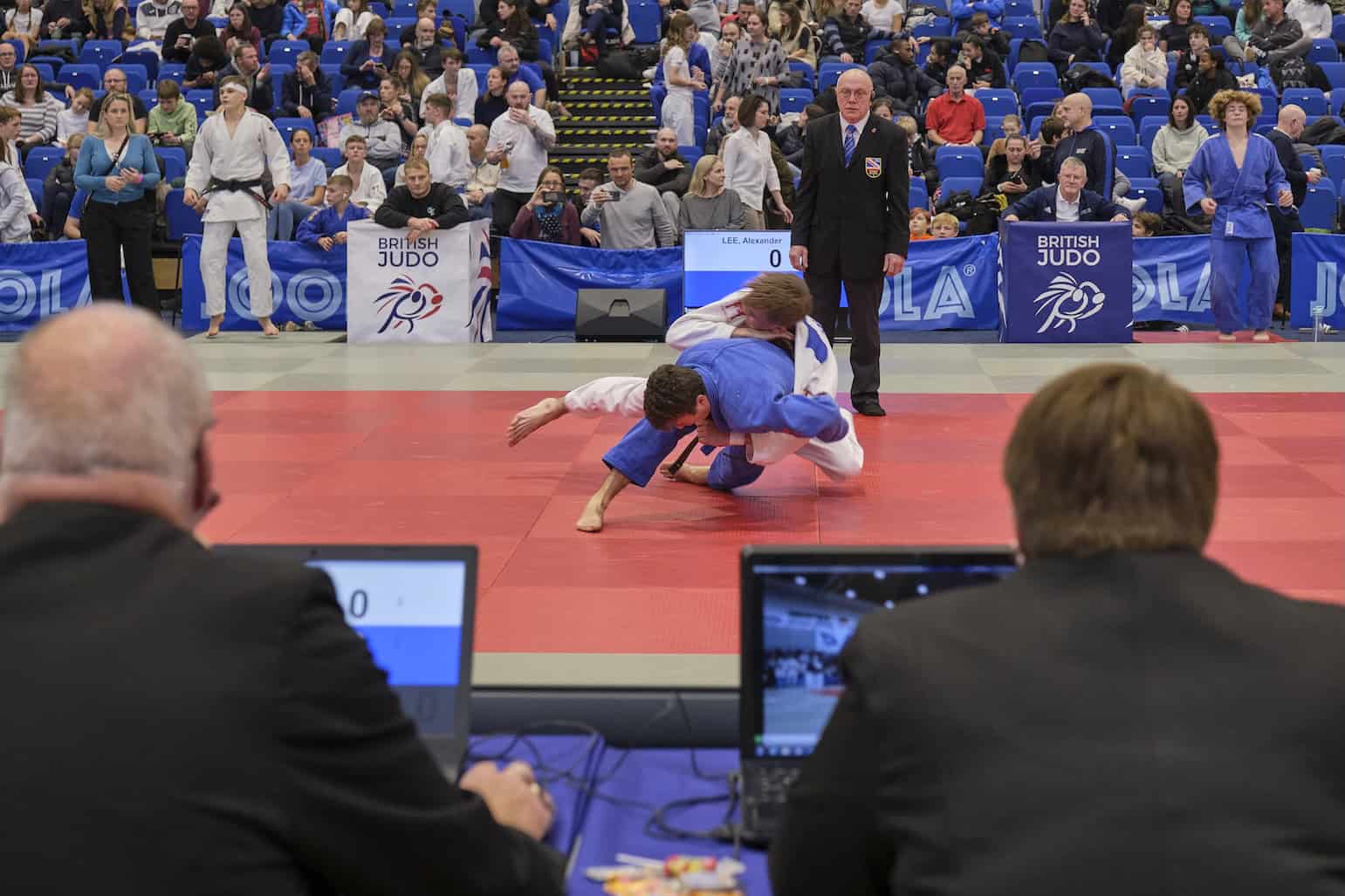
There are a range of different roles of officiating in judo which determine what responsibilities an individual may have at a competition:
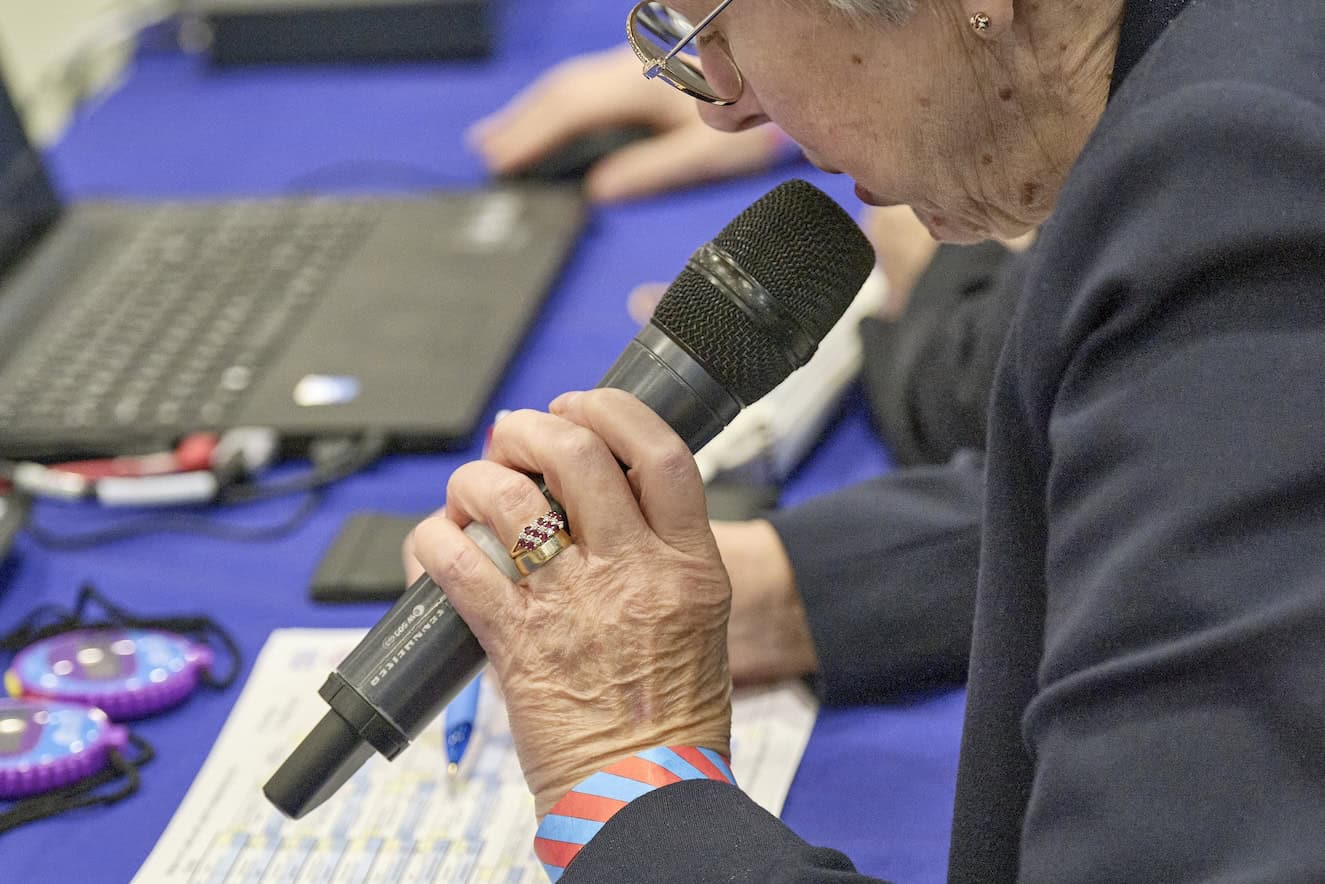
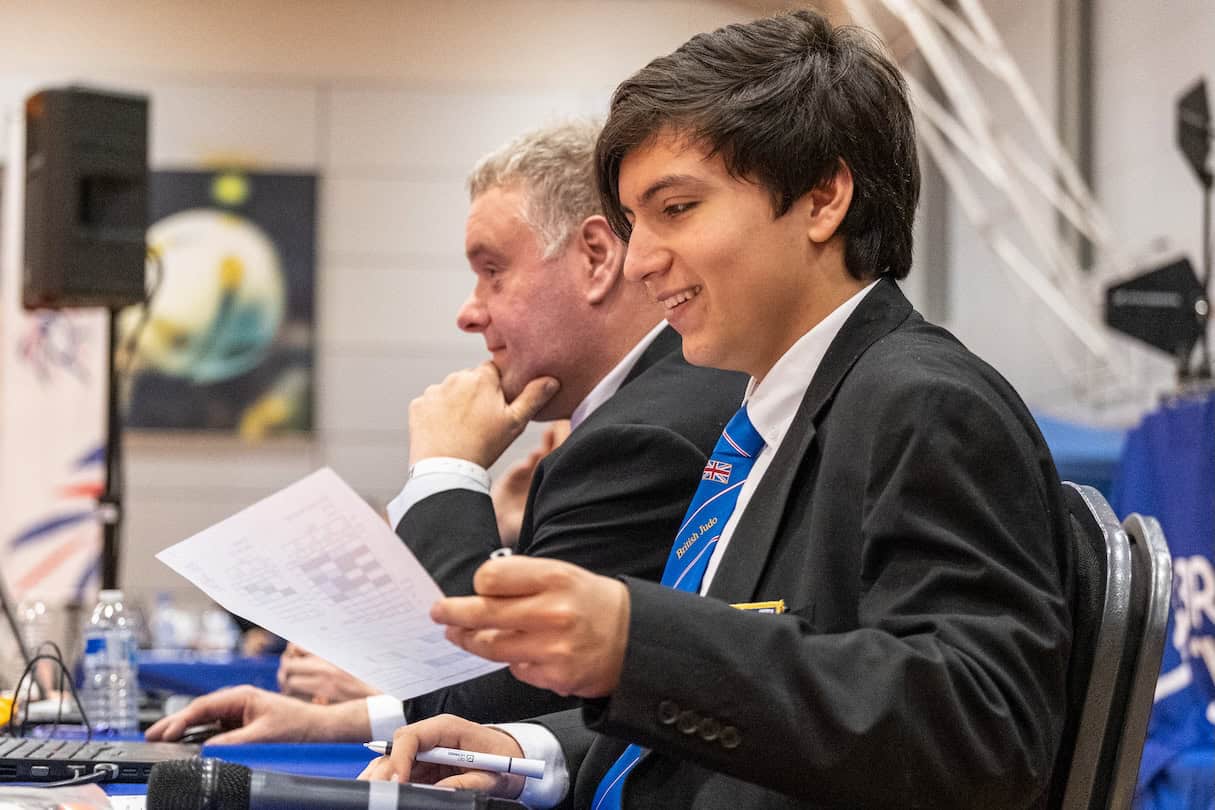
- Timekeeper: Responsible for keeping track of the contest time, osaekomi time and registering scores and penalties on the scoreboard.
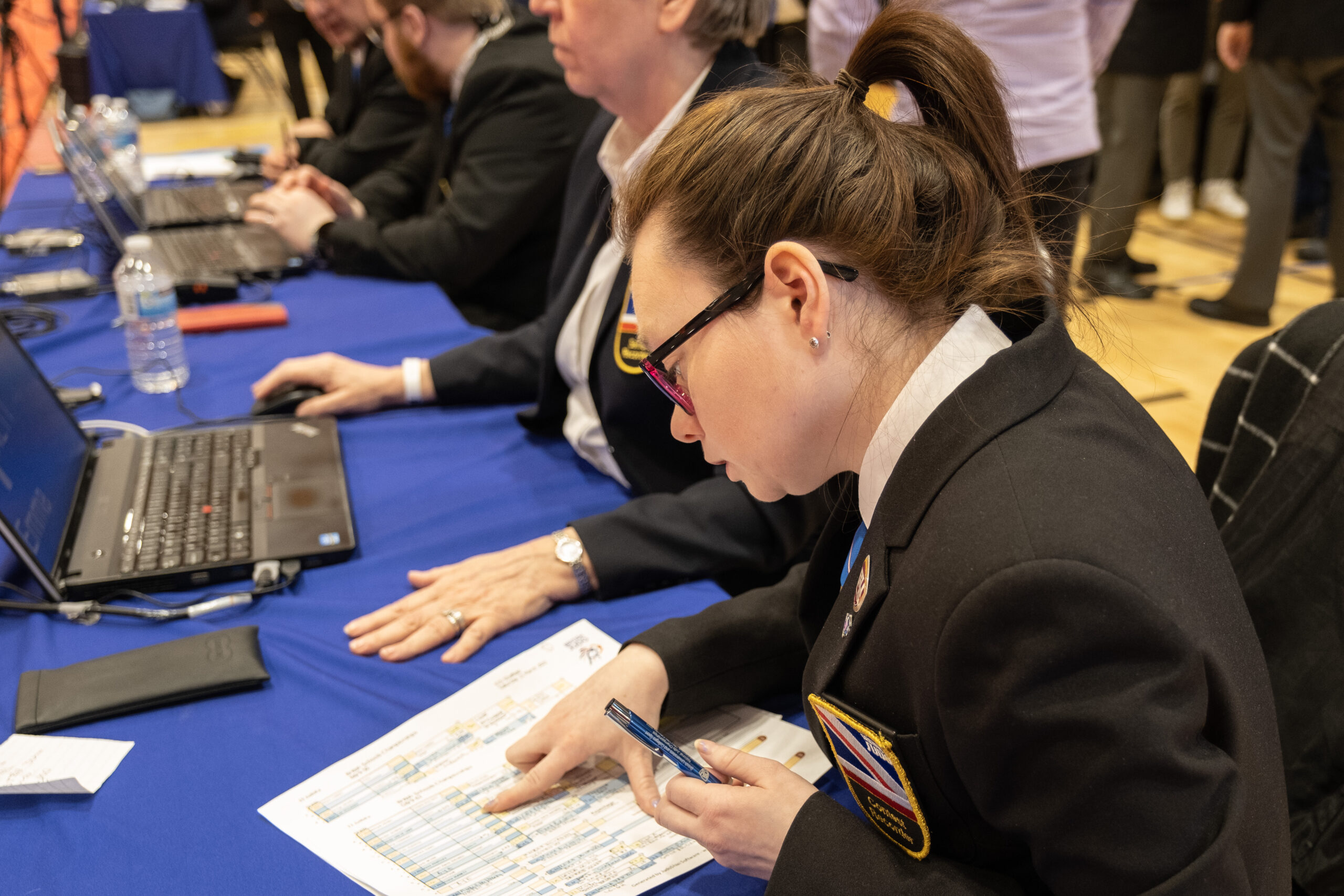
- Contest Recorder: Responsible for recording contest results and calling the players to the mat. Contest recorders can also run small events.
- Senior Recorder: Responsible for placing players into and running pools or knockout systems, they can run medium size events.
- Competition Controller: Responsible for the running of larger events. They complete the draw, prepare the timetable, and take overall responsibility for all the officials
How can I get involved in Officiating?
- Offer to help at your local competitions – If you are already attending competitions in your local area, speak to the area representative or your coach to offer your services as an assistant Timekeeper. They will arrange for you to work alongside a currently experienced official who will help to bring you up to speed in what you are doing. Visit the British Judo Events Calendar to find local competitions where you can offer to help. You need to get your Technical Officials Attendance Log Sheet signed at three such events, at least one of the signatories being a minimum of senior recorder. You then send the form in to head office and you are now a qualified timekeeper.
- Area/Club organised courses – Alternatively, some clubs and areas offer training courses for trainee timekeepers.
- Experienced Judoka – For people with plenty of judo experience, it may be possible to attend a course to go directly to the contest recorder level.