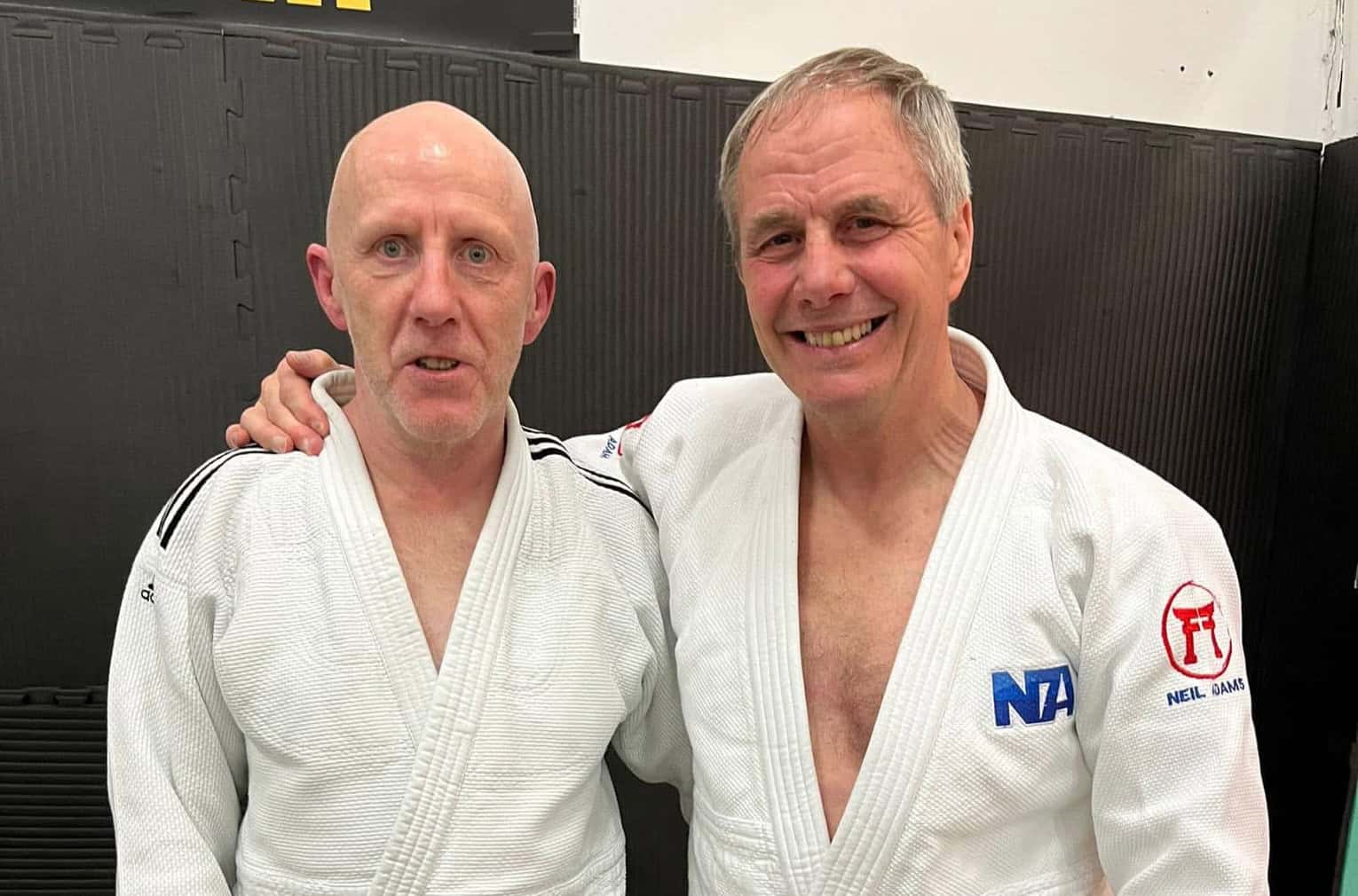
Finding Strength, Confidence and Purpose Through Judo: Peter’s Story
January 30, 2026
Judo has always been about more than medals or grades. At its heart, it is about resilience, respect and continual self-improvement. Few stories reflect this more powerfully than Peter McCann’s.
Now 62 years old and a 3rd dan judoka, Peter McCann began judo in his 30s and has spent more than three decades on the tatami. During that time, judo has helped him navigate life-changing challenges, build unshakeable confidence, and become a role model to others—both within and beyond the judo community.
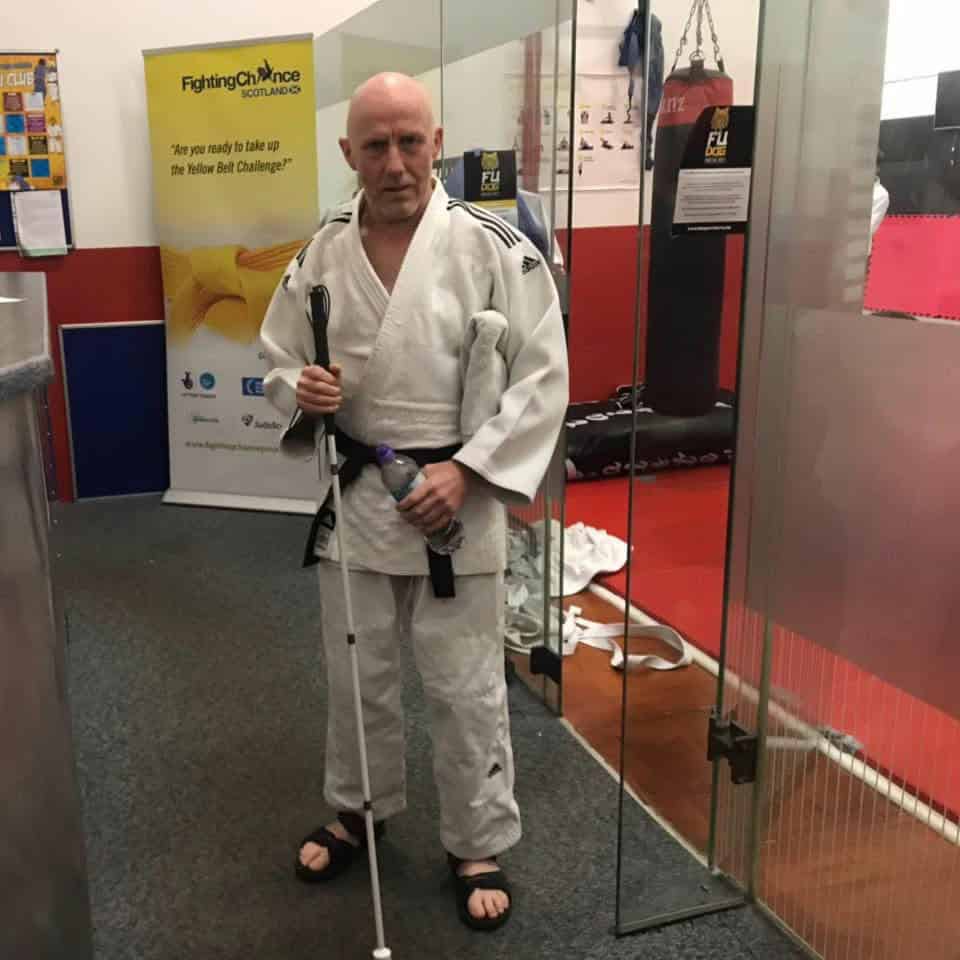
Around 30 years ago, Peter lost his sight. At the time, he was focused on keeping his job, providing for his family and continuing to be a strong role model for his daughters. He was determined that losing his vision would not define or limit him.
Growing up, Peter felt there were two ways to feel safe in the world—running fast or learning to fight. Judo gave him more than the ability to protect himself; it gave him confidence, self-belief and reassurance that he could still face the world on his own terms.
“Even though I may not have my sight, I can still go out and do anything,” Peter says. Judo helped reinforce that belief, proving to him—and to others—that disability does not mean inability.
The sport’s physical, close-contact nature made it particularly accessible. Peter found comfort in the structure, the discipline and the fairness of the sport. His favourite area is newaza, where once on the ground, physical differences matter far less. “No matter your height, we’re all roughly the same size on the ground,” he explains. “That’s where I feel most comfortable.”
But what truly kept him coming back was the people. The judo community never saw his blindness as a barrier. They treated him as an equal, valuing him for who he is and what he brings to the mat. That sense of belonging became just as important as the sport itself.
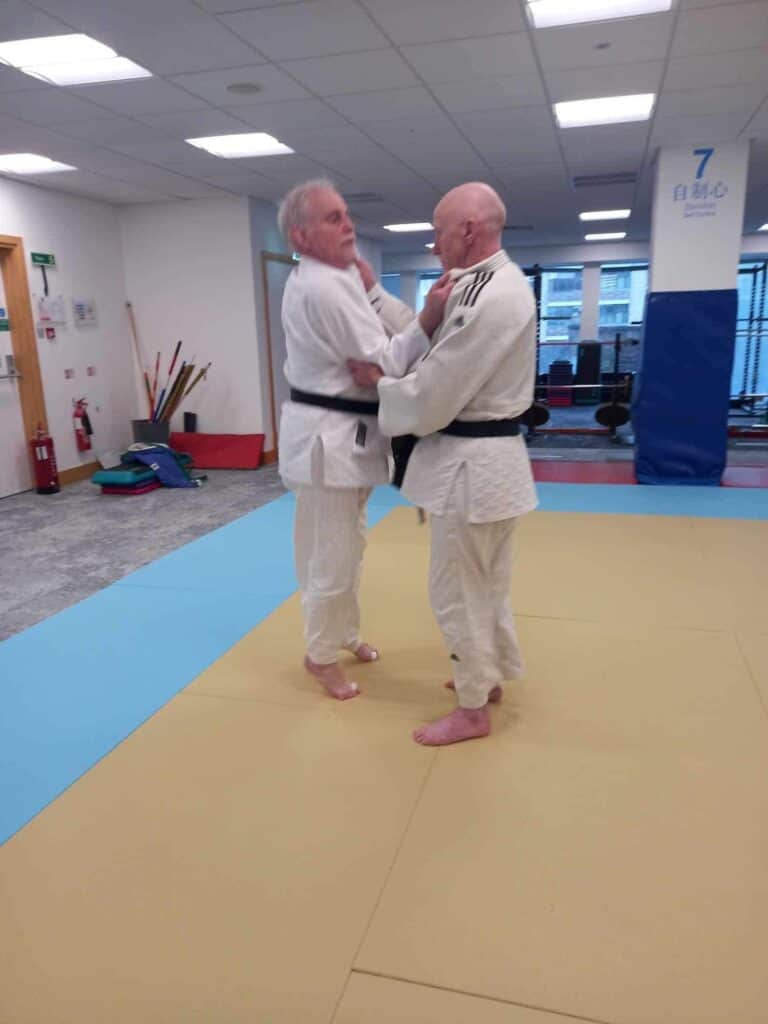
Peter’s appreciation for technical detail began many years ago through karate, where kata helped him understand movement, balance and precision. When he later began studying kata in judo, it transformed his understanding of the sport.
Through Katame-no-Kata and Nage-no-Kata, Peter learned to adapt techniques in ways that worked for him. He loves that kata is about striving rather than perfection. Each attempt offers the chance to improve, and that pursuit feeds directly into his judo as a whole—from randori to coaching.
Nearly 10 years ago, Peter became a coach, now holding UKCC Level 2. Coaching wasn’t just about teaching others—it was about deepening his own understanding and giving something back to a sport that had given him so much.
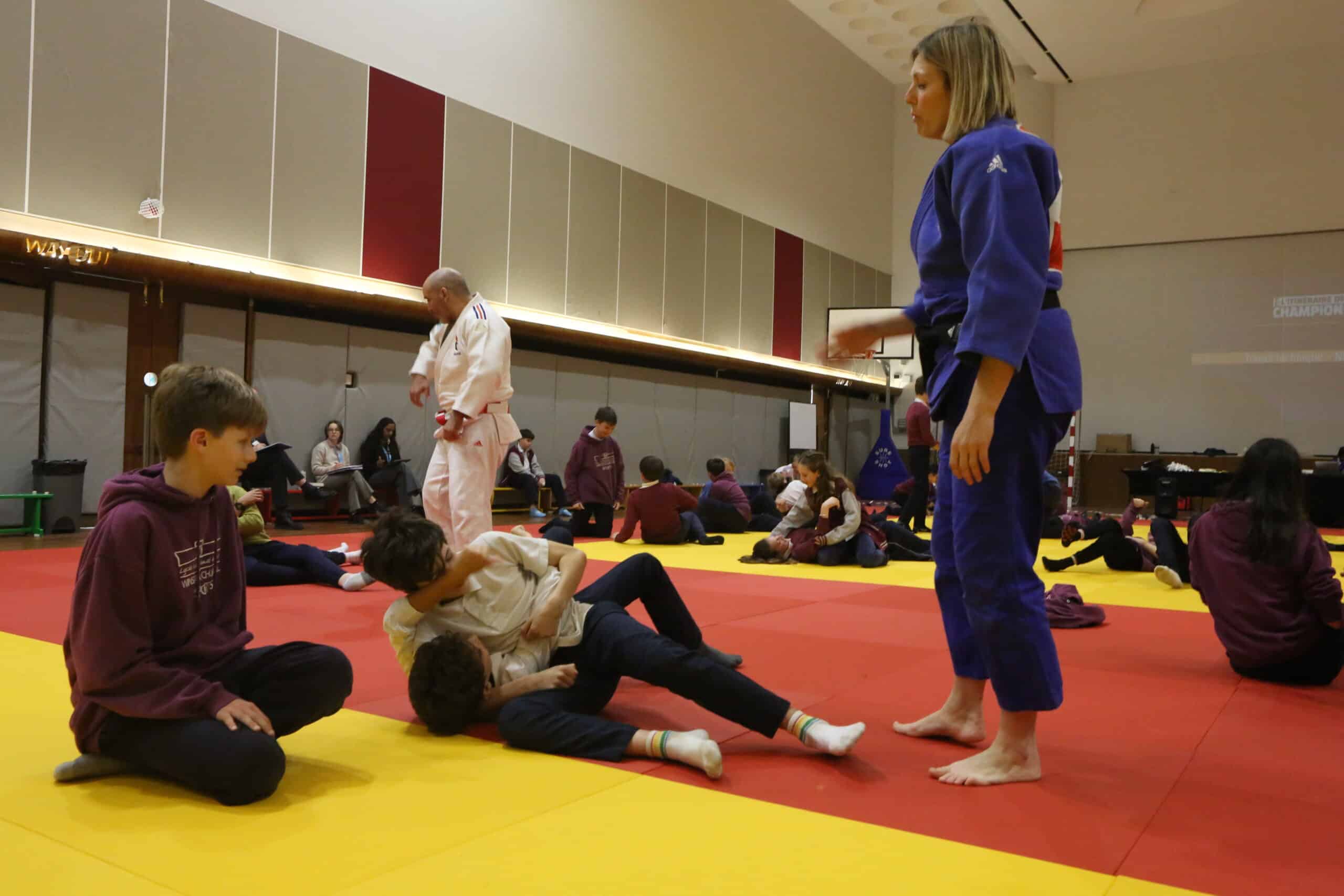
Today, he mentors another visually impaired judoka and supports students in both technical and kata-based development. He takes real pride in seeing students return having applied his advice, often appreciating the slightly different way he explains or demonstrates techniques. His lived experience offers students new ways of learning and thinking.
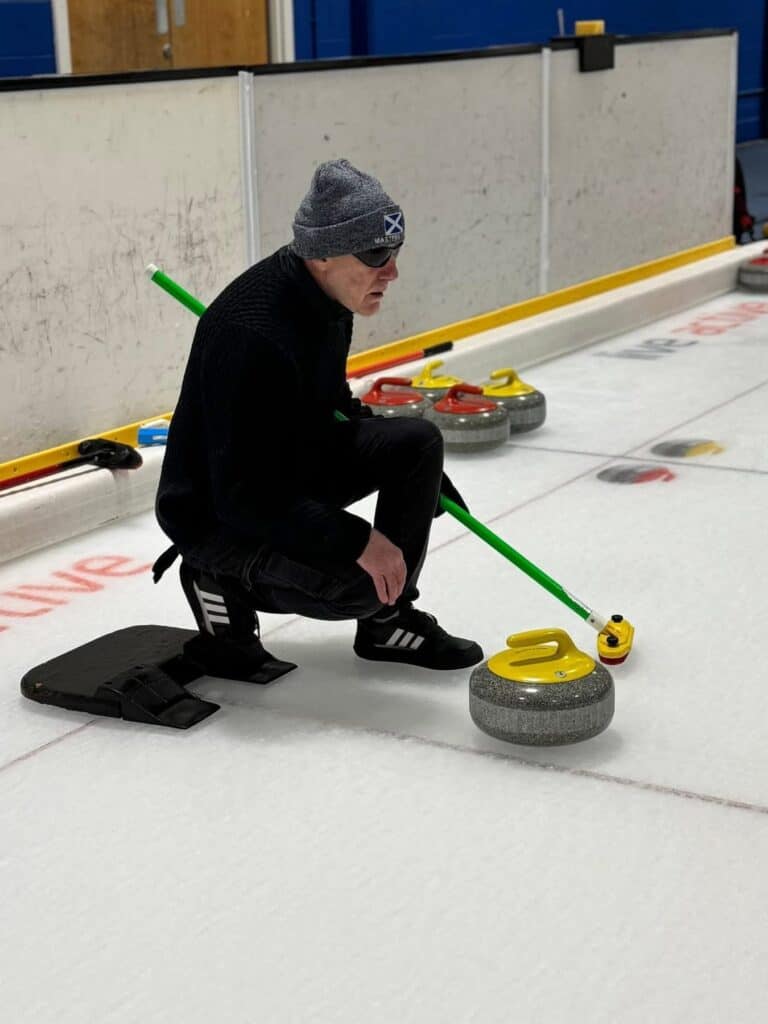
Outside judo, Peter lives life with the same energy and determination. After 18 years working at Sky, he faced redundancy in September—another hurdle met with resilience. He remains active through curling, bowls, kayaking, paddle boarding and coasteering, and he founded Talking Tandems, enabling visually impaired people to experience the freedom of cycling.
But judo remains central. “The people keep me doing judo,” Peter says. “The constant learning and development—it’s in my blood now.”
To anyone thinking about starting judo, Peter’s advice is simple: just go for it. Judo builds confidence, self-esteem and lifelong friendships. To those already training, he encourages exploring kata to deepen understanding and sharpen technique. And to anyone considering coaching, he describes it as one of the most rewarding experiences—watching others grow in confidence and capability.
Reflecting on his journey, Peter knows that the person he is today was shaped by the challenges he faced when he first lost his sight. Through judo, he has continued to prove—to himself and to others—that barriers can be overcome.
“I love proving people wrong in their assumptions,” he says.
Peter’s story is a powerful reminder that judo is not just a sport—it is a pathway to confidence, purpose and the belief that no hurdle is insurmountable.
British Judo’s National Adaptive Training Day and Conference continues this mission by bringing judoka, coaches, volunteers and clubs together to learn, share best practice and champion adaptive judo. Get involved, attend, and be part of shaping a judo community where everyone belongs and everyone can thrive—on and off the tatami.