More Than Judo: How ‘Chat on the Mat’ is Tackling Men’s Mental Health
October 10, 2026
As the judo community marks World Mental Health Day on Saturday 10 October, British Judo shines a spotlight on an inspiring initiative in Scotland that is using the power of judo to tackle isolation, encourage conversations and support men’s mental health.
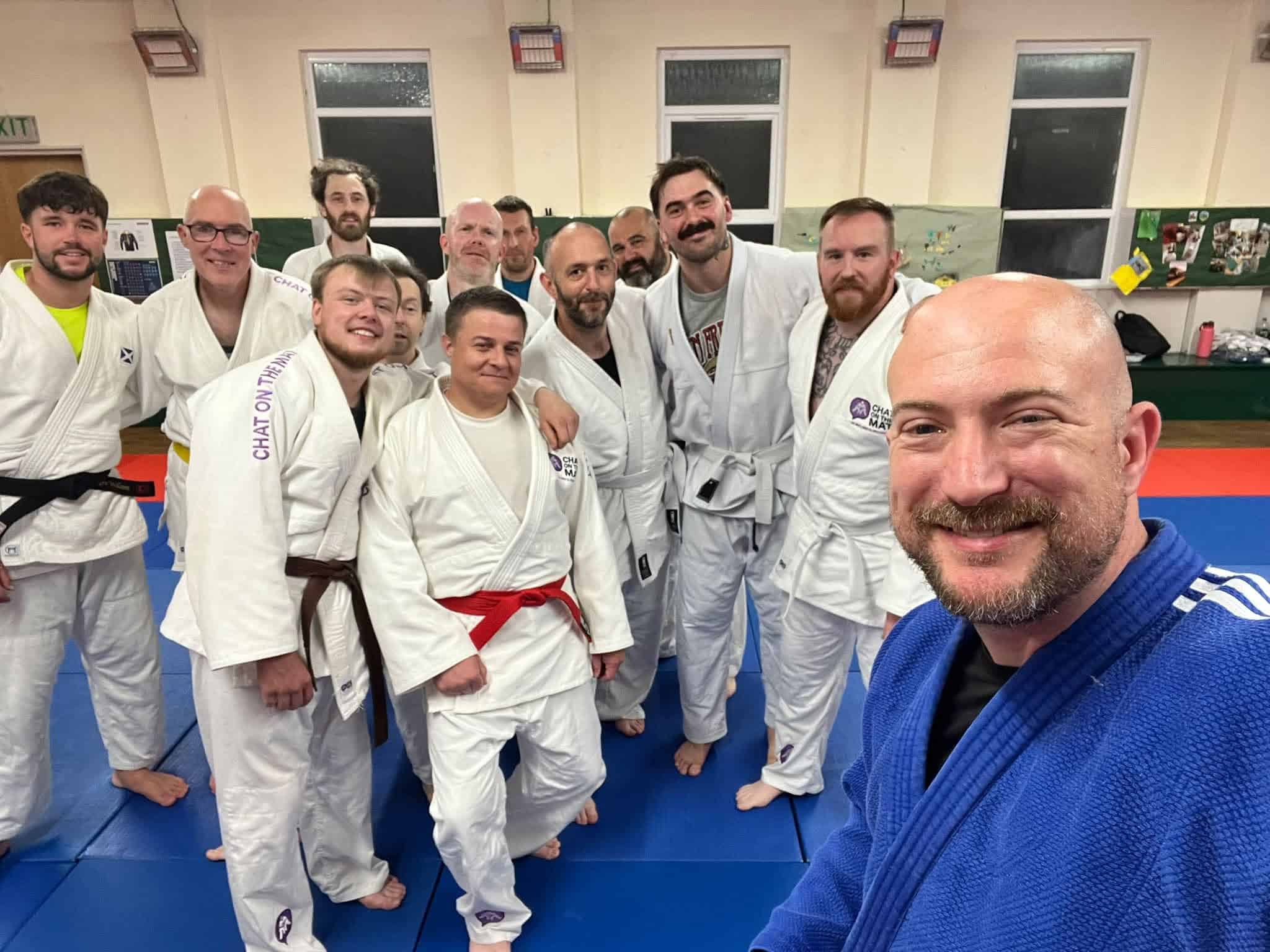
For many, judo is a sport built on discipline, respect and physical development. But for Scottish judo coach Callum Woods, it has become something much more – a way of bringing people together, breaking down barriers and creating a space where men feel comfortable opening up about their mental health through Chat on the Mat.
Through his innovative initiative, Callum is demonstrating how the dojo can become more than a place to train. It can be a place to connect, share experiences and support one another through life’s challenges.
Callum’s relationship with judo began at just six years old, and the sport has remained a constant throughout his life. Having progressed from a young judoka to a full-time coach, including time coaching in Hong Kong and more than two decades with Destination Judo, Callum understands first-hand the physical and personal benefits that the sport can provide.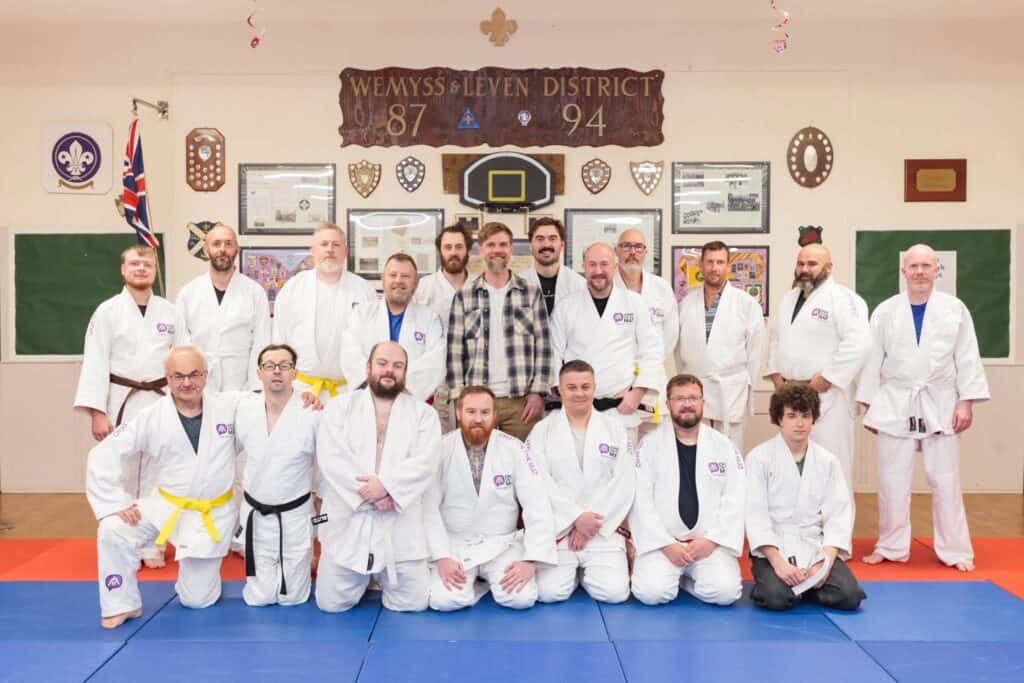
However, away from the mat, his journey has not always been straightforward. Having openly spoken about his experiences with depression, anxiety, divorce and an ADHD diagnosis, Callum understands the challenges that can come with navigating difficult periods in life.
Speaking recently on Ryan Hartley’s Always Better Than Yesterday podcast, Callum reflected on the importance of sharing those experiences.
“I’ve been very open about my mental health,” he explained.
“What I actually found is by sharing, I get so many messages from people, ‘I’m feeling the same. I went through that as well.'”
Those conversations helped Callum recognise the value of openness and the importance of creating opportunities for others to feel heard.
His experiences also encouraged him to explore transformational life coaching, developing a deeper understanding of wellbeing, personal development and the importance of human connection. It was this combination of lived experience, coaching expertise and a lifelong passion for judo that would eventually inspire Chat on the Mat.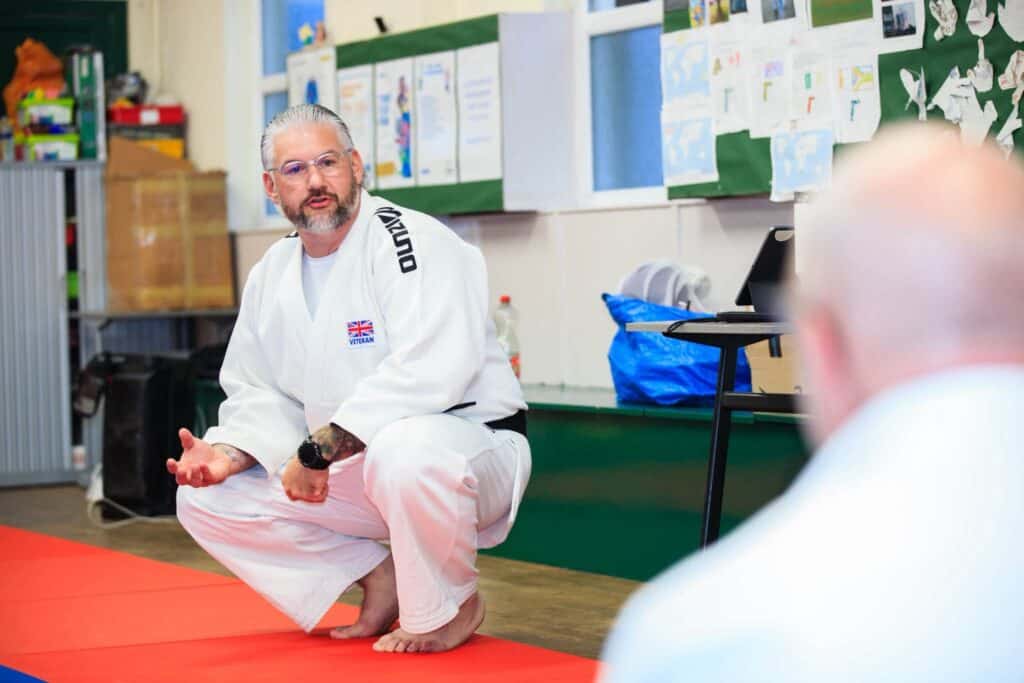
The idea first emerged around 2018 when Callum attended The Changing Room, a men’s mental health programme delivered through Scottish football. Using football stadiums as familiar and welcoming environments, the initiative brought men together to discuss their wellbeing, build relationships and support one another.
For Callum, it sparked a simple question: could judo provide that same opportunity?
“When I left one of the sessions, I thought, I wonder how judo could be the same kind of hook?” he recalled.
Although the idea remained in the background for several years, his subsequent life coaching qualification and conversations with Active Fife helped turn the concept into reality.
With support from Jamie Moffat at Active Fife, Chat on the Mat – The Men’s Mental Health Dojo was born.
The free, 10-week programme brings men aged 18 and over together through a combination of introductory judo activities, movement, personal development and informal conversations. Crucially, participants do not need any previous judo experience.
Rather than focusing on competition or technical achievement, the programme uses judo as a starting point for building trust, encouraging interaction and developing meaningful connections.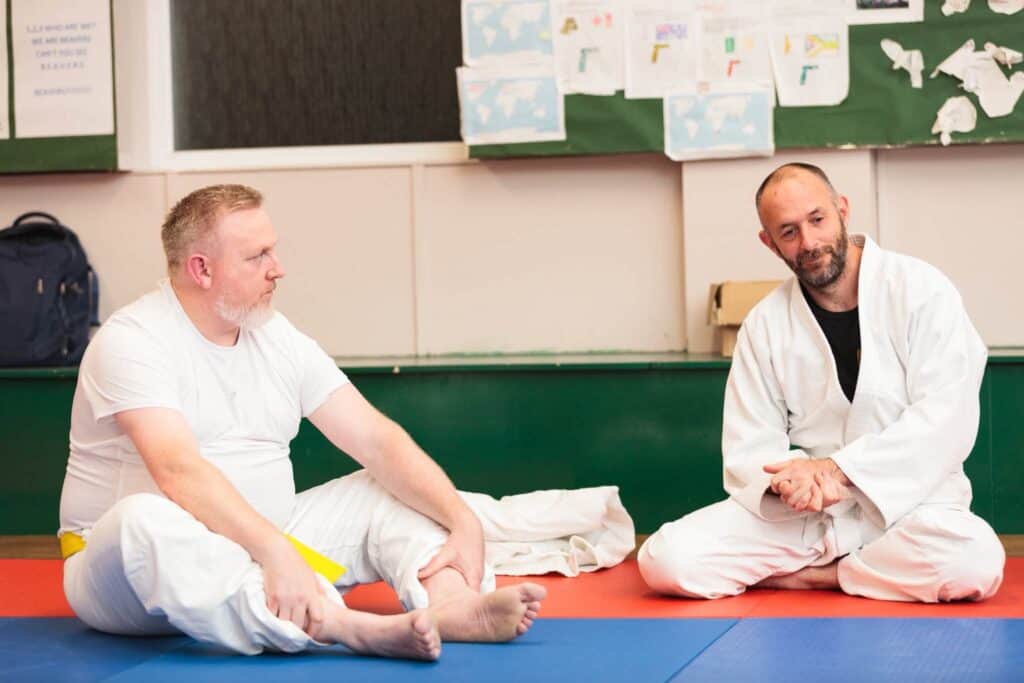
Callum believes that the physical nature of judo can help create an environment where conversations happen naturally.
“Judo naturally breaks down barriers – both physical and emotional – making it a great space for men to talk,” he explained.
One of the most significant challenges identified through the initiative has been social isolation. For some participants, attending a session represented an opportunity to reconnect with others after periods of loneliness, reduced confidence or limited social interaction.
Speaking about the sessions, Callum explained that isolation, a lack of purpose and social anxiety are recurring themes among those attending.
He also highlighted the courage required for some participants simply to walk through the dojo doors, particularly those experiencing social anxiety or who would never ordinarily consider attending a judo club.
Once inside, the emphasis is on creating a welcoming, non-judgemental environment where participants can engage at their own pace. Sessions provide opportunities for men to move, laugh, work together and talk about whatever is important to them.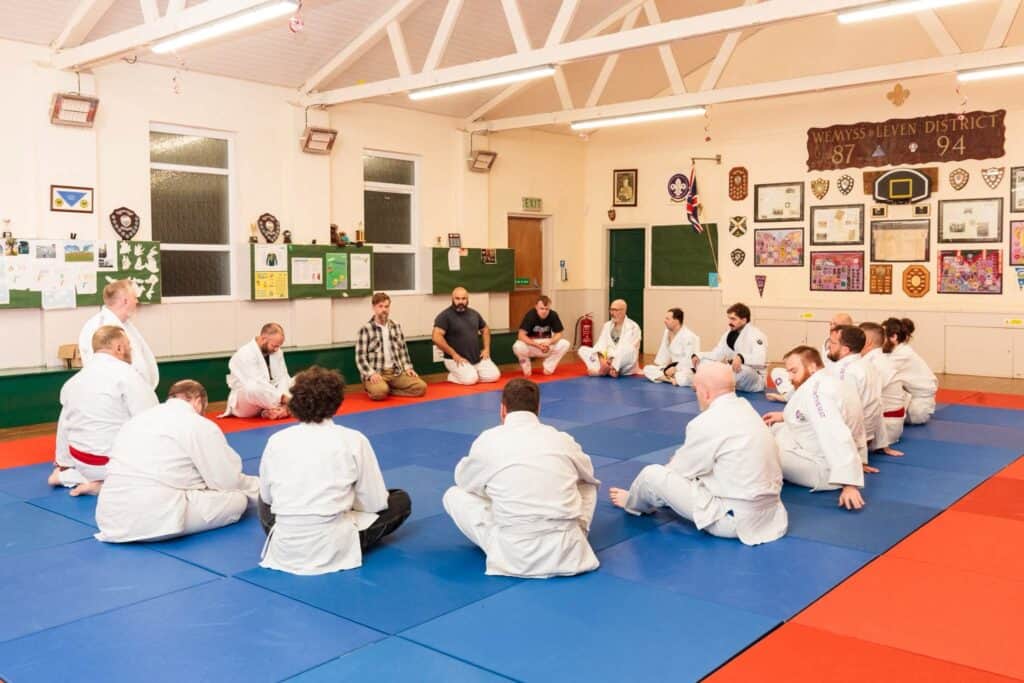
Sometimes that means discussing difficult personal experiences. On other occasions, it is simply about enjoying the company of others.
Callum is clear that the programme is not intended to replace professional mental health services.
“I’m not a therapist,” he explained. “But what we’re trying to do is get them to, you know, talk, open up.”
He also recognises that talking is not always what somebody needs in that moment.
“Sometimes that’s not what’s needed. They just need to have a laugh.”
This informal approach is central to the initiative’s identity, allowing participants to develop relationships naturally and creating opportunities for conversations that might otherwise never happen.
Beyond the positive relationships being formed, Chat on the Mat is also beginning to demonstrate encouraging outcomes. The programme uses wellbeing questionnaires at the beginning, middle and end of each 10-week course to monitor participants’ progress.
Reflecting on the first cohort, Callum described the satisfaction of seeing improvements in participants’ reported wellbeing.
“Between week one and week 10, everybody’s feeling a bit better about themselves and that’s the most important bit,” he explained.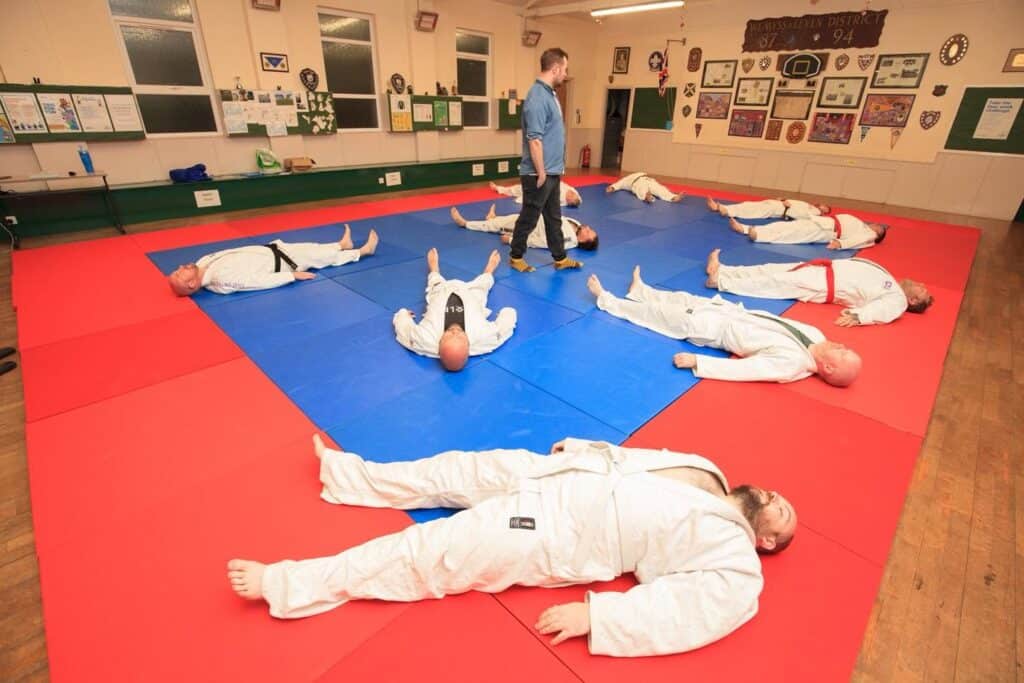
The initiative has also undergone a social impact assessment with, according to the figures he compiled, the first programme received approximately £2,500 in funding and was assessed as generating an estimated £45,000 in wider social value.
While this figure represents an estimate of social impact rather than direct financial savings, it offers an indication of the potential wider benefits of preventative, community-based wellbeing initiatives.
For Callum, however, the greatest reward is seeing participants grow in confidence, form friendships and take those positive experiences back into their everyday lives.
He hopes the impact will extend beyond the individuals attending, helping strengthen relationships with families, friends and wider communities.
At the heart of Chat on the Mat is a message that resonates strongly with the values of judo. Respect, friendship, courage and mutual support are principles that extend far beyond the competitive environment.
Callum believes these values can play an important role in helping people navigate challenges, develop confidence and feel connected to something bigger than themselves. Judo, for Callum, has provided a consistent presence throughout his own life.
“It gave me a chance to be present,” he explained. He also highlighted how the sport’s grading system represents much more than technical progression. Each belt reflected commitment, dedication, consistency and the willingness to keep improving.
These are qualities that can be just as valuable when facing personal challenges as they are when stepping onto the tatami. The initiative also demonstrates the role that coaches and clubs can play in creating positive environments within their communities.
By offering opportunities to connect, recognising when somebody may be struggling and encouraging open conversations, the judo community can help make a meaningful difference to people’s lives.
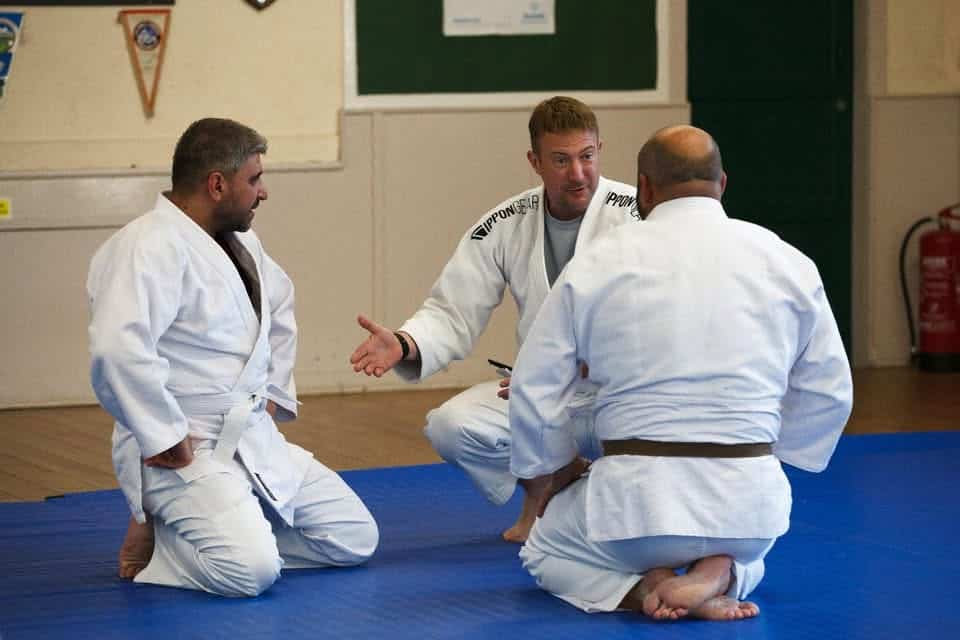
As World Mental Health Day encourages people across the globe to reflect on mental health and wellbeing, Chat on the Mat provides an example of how sport can contribute to positive change. Its success is not simply about teaching judo techniques or encouraging physical activity. It is about recognising the importance of belonging, connection and having somewhere to turn.
Callum hopes his experiences will encourage others to speak more openly about their own mental health and inspire more opportunities for people to support one another. The initiative also offers a reminder that positive change does not always require a complicated approach.
Sometimes, it begins with providing a welcoming space, bringing people together and giving them the opportunity to talk. For judo clubs across the country, the message is simple: the relationships developed on the mat can be just as important as the skills learned upon it.
And as Callum reflected on the programme, one of judo’s most recognisable messages provides a fitting reminder of resilience:
“Get thrown down seven, get up eight.”
This World Mental Health Day, British Judo encourages everyone within the judo community to check in with teammates, coaches, friends and family, make time for meaningful conversations and remember that nobody should have to face difficult times alone.
You can follow Chat on the Mat across social media via their pages on Facebook and Instagram